- Home
- Advocacy
- Latest News and Practice Data
- Dr. Allo: How You Can Champion Health Policy with Laboratory Tours
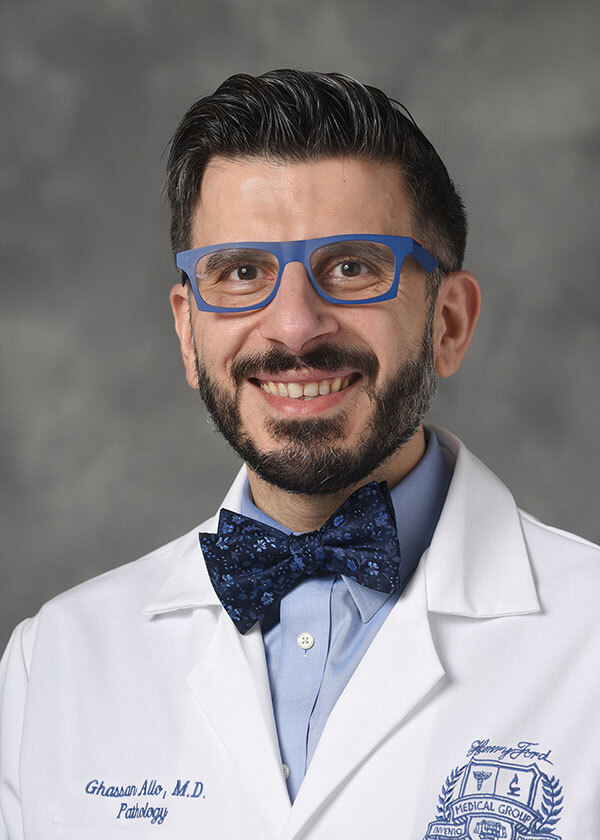
Grassroots advocacy is at the root of driving change at the federal and state level on health care policies that will impact pathologists’ ability to practice and protects the patients they serve. The CAP’s grassroots network, PathNET, has over 800 volunteers who participate in grassroots activities to educate members of Congress and state legislatures on health care issues important to pathologists and the patients they serve. Recently, Dr. Ghassan Allo, MD, FCAP, a PathNET member, hosted Representative Rashida Tlaib (MI-D) for a laboratory tour at Henry Ford Health. Learn more about the PathNET program.
What drove you to get involved in advocacy?
The profound understanding that our specialty needs us drives me; as physicians and pathologists, we are best suited to represent and advocate for our specialty and our patients. It is our responsibility to leave our offices and educate legislators, the public, and the medical community on the importance of the complexity of what we do.
Do you have a favorite memory or experience that stands out in your advocacy work?
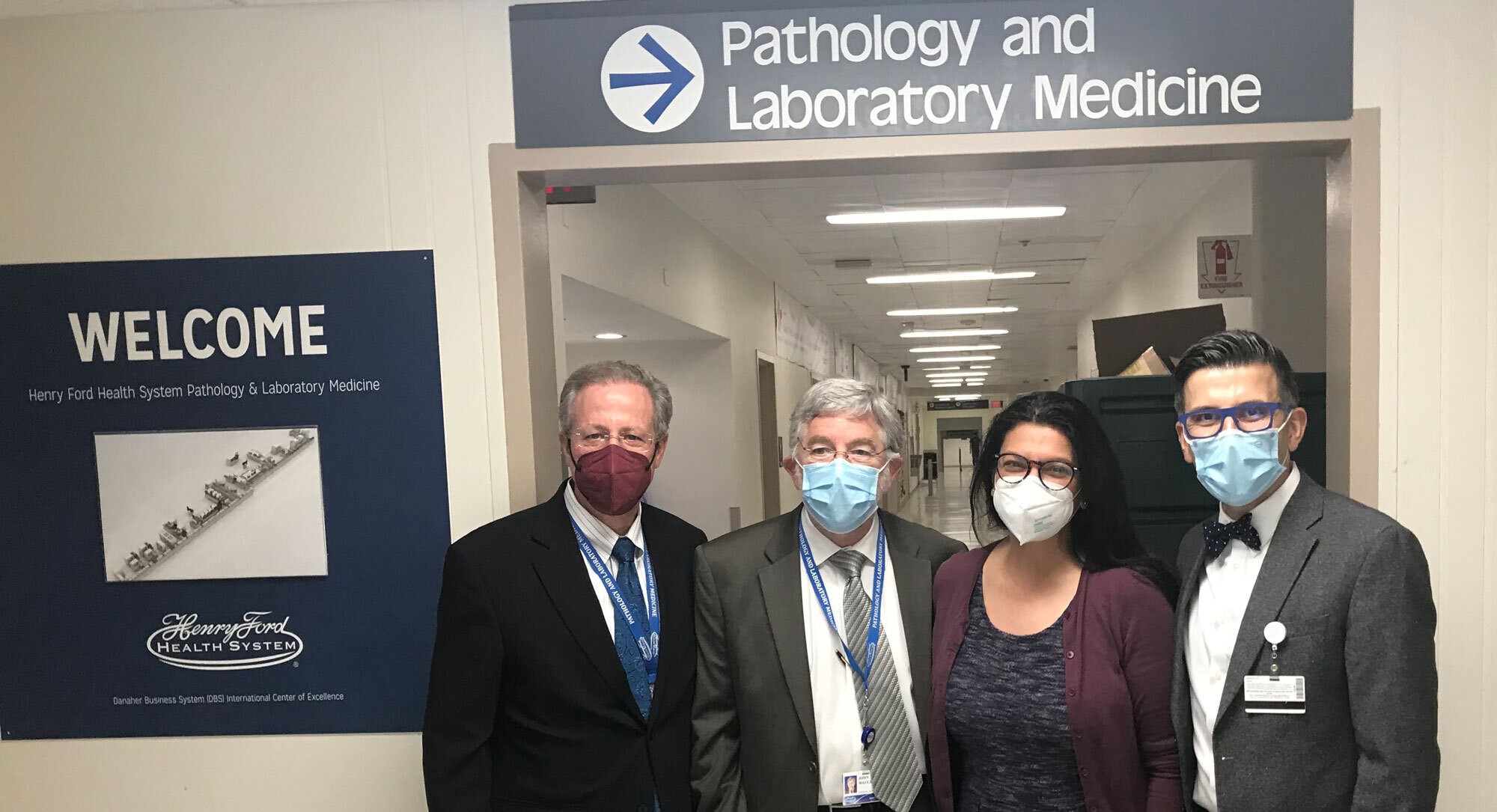
Grassroots advocacy is at the root of driving change at the federal and state level on health care policies that will impact pathologists’ ability to practice and protects the patients they serve. The CAP’s grassroots network, PathNET, has over 800 volunteers who participate in grassroots activities to educate members of Congress and state legislatures on health care issues important to pathologists and the patients they serve. Recently, Dr. Ghassan Allo, MD, MSc, FCAP, a PathNET member, hosted Representative Rashida Tlaib (MI-D) for a laboratory tour at Henry Ford Health. Learn more about the PathNET program.
What drove you to get involved in advocacy?
The profound understanding that our specialty needs us drives me; as physicians and pathologists, we are best suited to represent and advocate for our specialty and our patients. It is our responsibility to leave our offices and educate both legislators and members of the public, and the medical community on the importance of the complexity of what we do.
Do you have a favorite memory or experience that stands out in your advocacy work?
My favorite memory is from a recent lab visit by Congresswoman Rashida Tlaib visited my laboratory. She sat across from me on the microscope as I demonstrated to her real examples of diagnostic surgical pathology. I got to observe her curiosity and excitement as she saw “cancer,” answered her questions, and explained how as a pathologist, I could identify a hidden disease that would alter the complete course of this patient’s health care management. Rep. Tlaib was impressed that all pathologists she met in my department had a deep passion for what they did and for patient care despite the lack of direct patient contact.
What advice would you give your colleagues to be effective advocates?
Continue to be involved, even if that means just learning about major issues in pathology and how CAP is addressing them. Discuss what you have learned and accomplished with your colleagues. Attend the Pathologists Leadership Summit and actively participate in Hill Day. Sign up for PathNET to get updates on opportunities to be involved.
Are there any tips on conducting laboratory tours that you would like to share with your colleagues?
I was surprised to see the eagerness and amazement of lab guests to learn about all activities we run in the lab and how surgical or clinical specimens are dealt with after they are obtained. Some tips I would offer other pathologists:
- Be bold to ask members of Congress or staffers to visit – “You have not because you ask not.”
- Be ready – know all about your department; identify key areas and people to visit within your lab; research the visitors; meet with your institutional government affairs staff as they may have already interacted with your guests; reach out to CAP PAC and Grassroots specialists as they proved to be a great resource.
- Make it informative but fun and real: Guests were quite curious to learn what we did as pathologists. They were even more interested when you connect what you do, eg sitting behind a microscope with a piece of glass slide, to a real patient story with a relatable social or medical history.
Have you conducted a laboratory tour this year with a member of Congress or state legislator, and you want to share it with us? Submit your feedback here. Email PathNET@cap.org to learn how you can set up a laboratory tour.